
Your Skin is an ecosystem:
Understanding and Protecting Your Largest Organ
The skin is a remarkable thing. It's the largest organ of the human body, acting as a protective covering, sensory hub, and vital contributor to overall health. Yet, maintaining healthy, resilient skin takes understanding and effort.
We're passionate about helping you give your skin the love it craves. We would like to share some fascinating facts about your skin. Understanding how it works is the first step to giving it the care it deserves.
At AETHIC, we are doing everything we can to develop the most natural and compatible products for use in different circumstances to maintain your skin healthy and looking good.
We also wish to stay in balance with nature itself by diminishing our impact on the world around us and the ocean in particular.
Please join us on that journey.
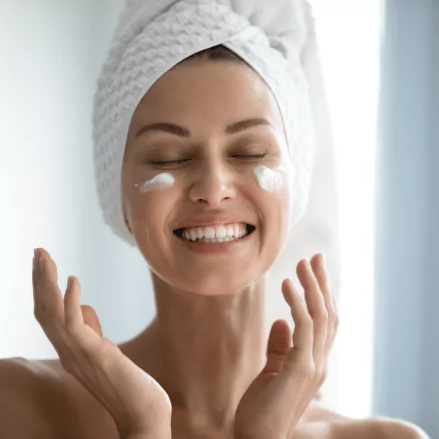
enduring glow
Decoding the Skin : Layers, Functions, and Complexities
Understanding your skin's structure
The skin is not just a simple surface. It's a complex, multi-layered system with three main components:
- Epidermis: The outermost layer, primarily responsible for creating new skin cells, providing color, and forming a protective barrier.
- Dermis: The middle layer containing blood vessels, nerve endings, sweat and oil glands, hair follicles, and connective tissue. This layer provides strength and elasticity.
- Hypodermis (Subcutaneous Layer): The deepest layer, composed mainly of fat and connective tissue, which insulates the body and cushions internal organs.
So, your skin is an ecosystem, that contains many different cells that all work together and interact with each other to maintain a healthy balance. And like each part of our planet, our skin has its own ecology that can be affected by external challenges.

What are the functions of your skin?
- Protection: Acts as the first line of defense against bacteria, viruses, harmful UV rays, and environmental pollutants.
- Sensation: Contains numerous nerve endings that allow you to feel touch, pain, temperature, and pressure.
- Temperature Regulation: Sweating and blood vessel dilation/constriction help maintain an optimal internal temperature.
- Vitamin D production : Skin cells convert sunlight into vitamin D, essential for bone health, immune function, and more.
- Immune Function: Houses immune cells (e.g., Langerhans cells) that help fight infection and offer protection against skin cancer.
- Appearance and Identity: Reflects your overall health, influencing self-perception and social interactions.
How Do You Keep Your Skin Healthy?
What does your skin need?
To keep your skin healthy and radiant, focus on both internal care and a strong external skincare routine. A balanced diet rich in fruits, vegetables, and healthy fats provides your skin with essential vitamins and antioxidants.
Be sure to get adequate vitamin D (through sunshine or supplements) as it's crucial for skin cell growth and repair. Vitamin D is one of those antioxidants we all need – it’s essential for all body functions.
Vitamin A helps in reducing fine lines and wrinkles. It also boosts collagen production in your skin that increases skin elasticity and firmness. Vitamin A also helps in protecting skin from radical damage, thereby improving skin's appearance.
Hydration is key, so drink plenty of water throughout the day. Smoking is a no-no ! Use skin care products that match the need of your skin ( dry, oily, sensitive, normal) .
Use sunscreen according to the directions on the packaging, alongside shade and protective clothing. AETHIC sunscreens use three UV filters for broad-spectrum protection. Read about our formulation research and its limits.
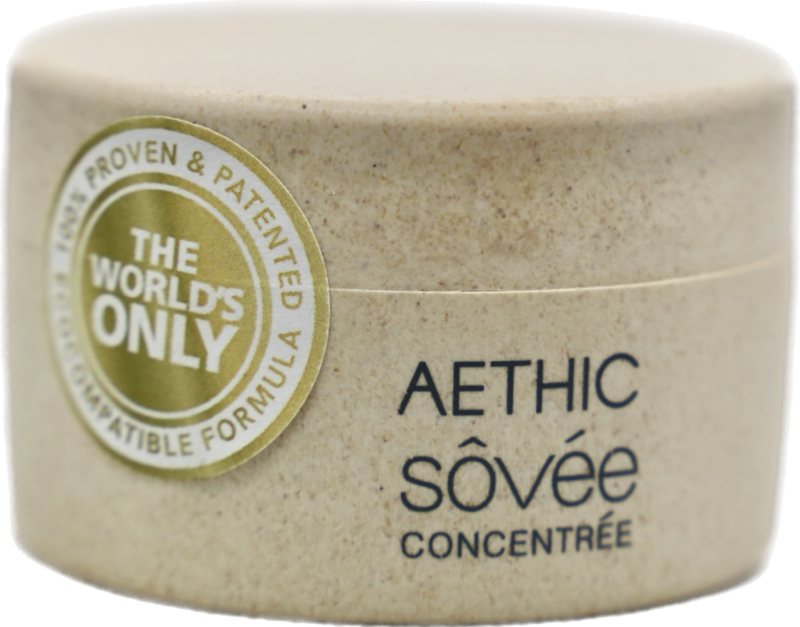
Smart Skin Care
Intelligent moisturizing
Choose a moisturizer tailored to your skin type. Look for humectants (e.g., hyaluronic acid, glycerin) to draw in moisture, and emollients (e.g., ceramides, squalene) to lock it in.
What are humectants?
Humectants are substances that attract and bind water molecules to the skin. They work like little moisture magnets.
- How they work: Humectants pull water from two places:
- From the deeper layers of your skin (the dermis) to the surface (epidermis)
- From the air around you, especially in humid environments.
- Benefits:
- Hydrate and plump up the skin
- Reduce dryness and flaking
- Improve skin texture and smoothness
- Common examples: Hyaluronic acid, glycerin, aloe vera, urea, certain alpha-hydroxy acids (AHAs)

What are emollients?
Emollients are oily or fatty substances that create a protective barrier on the skin's surface.
- How they work: Emollients work in several ways:
- Lock in moisture to prevent evaporation (this is why they feel occlusive)
- Fill in cracks and gaps between skin cells, creating a smoother surface
- Soften and soothe rough, dry skin
- Benefits:
- Prevent transepidermal water loss (TEWL)
- Repair the skin's natural barrier
- Protect against irritants
- Common examples: Oils (jojoba, squalane, rosehip), ceramides, fatty acids, shea butter

Important Note: In very dry environments, humectants alone can pull moisture from your deeper skin layers, sometimes making it feel drier. This is why it's important to pair them with emollients for optimal hydration.
Beyond the Basics:
Protecting Your Skin with AETHIC's Science-Backed Approach
Following a consistent skincare routine goes hand-in-hand with understanding the science behind the products you use. While cleansing and sun protection form the foundation, exploring advanced ingredients and protection methodologies can further enhance your skin's health and well-being.
AETHIC's commitment to science and sustainability goes beyond offering gentle cleansers. Our sunscreens and face creams are formulated with meticulous consideration for both efficacy and environmental impact.
Understanding Photostability: Sun Protection that Lasts
Many sunscreens, despite boasting high SPF ratings, may contain photo-unstable filters. These filters degrade rapidly once exposed to sunlight, rendering them less effective in protecting your skin throughout the day.
At AETHIC, we prioritize long-lasting protection. During the development of our AETHIC sunscreen, we conducted rigorous testing to identify filters that not only offer broad-spectrum (UVA+ UVB) protection, but also exhibit exceptional photostability. This ensures that the protective shield remains effective for extended periods under the sun, minimizing the risk of sunburn and premature aging.
The choice recommended by leading experts in the field
AETHIC’s development is informed by formulation research. Published findings relate to specified organisms and test conditions; they do not establish that every product has no environmental impact.
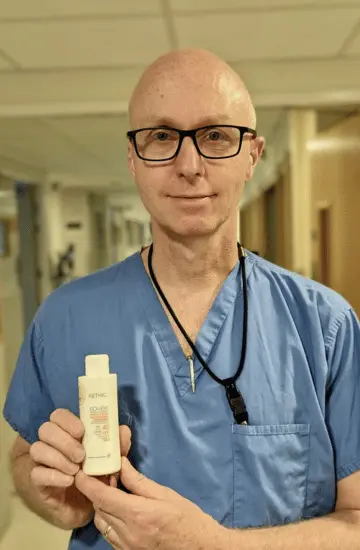
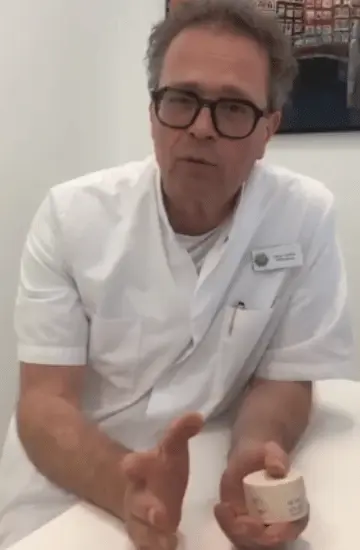
Watch the video with Dr. Menno – best viewed in expanded mode on mobile, and click on the bottom left play button.


AETHIC's Mission :
Preserving Our Marine Ecosystems
AETHIC’s formulation research includes coral experiments and published sea-urchin work. The evidence concerns particular formulas, organisms and test conditions. It does not establish that every current product has no effect on marine life. Read our research summary.
The patent describes a sunscreen composition and coral experiments under specified conditions. It protects an invention; it is not a certification of environmental safety.
By incorporating AETHIC sunscreens and face creams into your routine, you can ensure your skin receives comprehensive protection while maintaining a healthy, radiant glow. Remember, scientifically-backed formulas like those offered by AETHIC can make a significant difference in maintaining healthy, resilient skin for the long term, all while safeguarding the delicate ecosystems crucial to our planet's health.